







Search Results for: milk choices

Bean Choices for Latte: From Classic Blends to Fruity Blends
The choice of beans for a latte determines the flavor direction of the final drink. From classic rich blends to fruity blends, different bean types each have their own characteristics when used in a latte. Understanding how different beans perform in a latte gives you a richer range of options when selecting beans. Classic rich blends are the traditional choice for a latte. Front Street Coffee's classic blend is made from [more…]
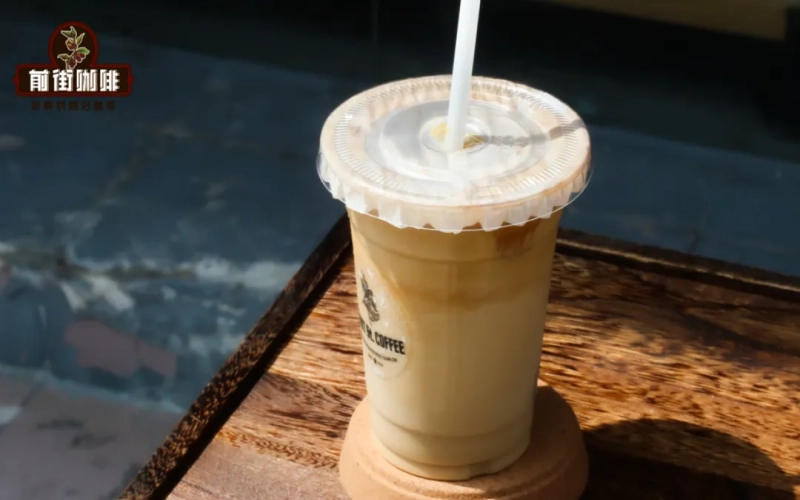
What exactly is oat milk as a plant-based milk? When used to make a latte, which has the better flavor compared with a milk latte?
In recent years, oat milk coffee has gradually entered the public eye, becoming a new choice for many coffee lovers. Oat milk comes from oats, a traditional Nordic ingredient, and is characterized by high plant protein, high dietary fiber, and low fat. It is also lactose-free, making it quite friendly to people who are lactose intolerant, vegetarian, or allergic to milk protein. So, compared with traditional milk coffee, which one actually tastes better? This article will start from the origins of oat milk and the groups it suits, combine the practical testing experience of Front Street Coffee, discuss the differences between different brands of oat milk paired with espresso beans, and offer bean selection advice for making a rich and silky oat milk latte. [more…]

Step-by-step Guide to Making Iced Latte: A Full Breakdown from Bean Selection and Milk Choice to Ratio Control and Technique Tips
An iced latte may seem like it only takes three steps to make: add ice, pour milk, add coffee. But to truly make a delicious iced latte, there are quite a few details to consider behind the scenes. From choosing coffee beans and milk, to the ratio between espresso, milk, and ice, to the rhythm of operations during extraction and assembly, every step directly affects the final flavor performance. This article uses Front Street Coffee's iced latte preparation as an example to sort out three key aspects—material selection, milk-to-coffee ratio, and operational details—to help coffee enthusiasts consistently reproduce a balanced, layered iced latte at home. [more…]

The Ratio Range of Espresso to Milk in Latte: Blending Methods for the Classic Italian Combination
As temperatures drop, hot lattes once again become the top choice for coffee lovers. Many people who try making lattes at home often run into the problem of unbalanced flavor—either the coffee is too bitter, or the milk masks the coffee's character. Drawing on Front Street Coffee's hands-on experience, this article systematically shares how to make a rich, well-balanced hot latte, covering the choice of coffee bean roast level, principles for pairing milk, adjustments to espresso extraction, and the optimal ratio range between milk and coffee, helping readers find the latte recipe that best suits their own ingredients. [more…]

A Guide to Buying Espresso Beans for Home Use: Roast Levels for Lattes and Bean Choices for Entry-Level Machines like De'Longhi
Latte is the go-to entry point for many home coffee enthusiasts, and behind the simple combination of espresso and milk lies a fair amount of bean-selection know-how. This article focuses on the flavor needs of latte coffee, sorting through key considerations such as milk choice, coffee bean roast level, and blending direction, and offers practical bean recommendations for common entry-level espresso machines like Delonghi, Gemilai, and Petrus. The article also introduces several highly compatible beans—Front Street Classic Blend, Dark Cocoa Blend, Commercial Blend, and Strawberry Candy espresso—to help you consistently make a balanced, latte-art-friendly cup at home. [more…]
How to choose milk when making espresso milk foam? What are the requirements for milk foam thickness in latte art?
When making cappuccino or latte at home, a cup of high-quality milk foam is crucial, as it directly affects the taste of the coffee and the latte art effect. However, the success of frothing milk depends largely on the choice of milk. Starting from the principle of milk foam formation, this article will analyze in detail why pure fresh milk should be chosen, what fat content is required, and the product information recommended by Front Street Coffee, helping you easily create dense and lasting milk foam and improve your home coffee experience. [more…]

How to Order Calmly at a Coffee Shop for the First Time? A Full Breakdown of Barista-Recommended Beginner Choices and Common Categories
Walking into a coffee shop for the first time, it's only natural to feel a bit overwhelmed by the dense list of coffee names on the menu. In fact, drinking coffee is as ordinary as ordering food at a restaurant—there's no need to feel nervous at all. If you want black coffee, you can start with an iced Americano; if you prefer milk coffee, a latte is a safe choice; and if you like sweetness, you can also try a flavored latte. If you really can't make up your mind, just describe your taste preferences directly to the barista—whether you want milk, whether you want it sweet, and whether you want it iced or hot—and they will patiently help you choose. This article also compiles an explanation of common coffee menu items, from espresso, SOE, Americano, and latte to cappuccino, flat white, Dirty, cold brew, and pour-over, to help you quickly understand the characteristics of each coffee so that ordering next time will be easier. [more…]
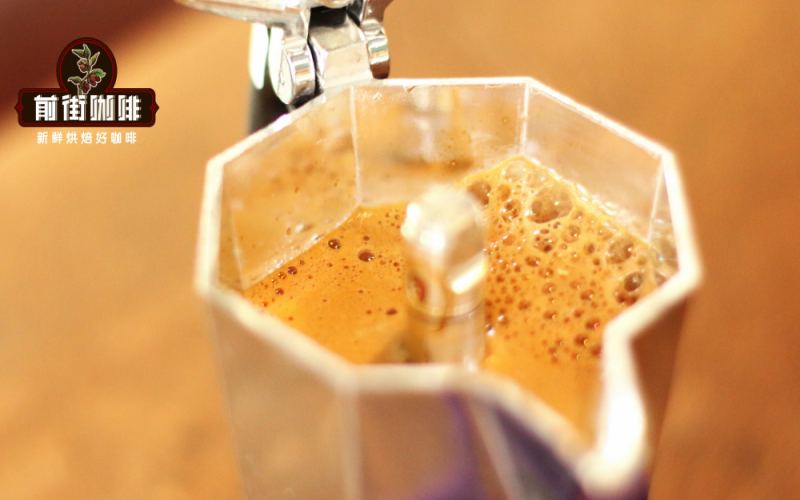
Coffee Bean Recommendations for Moka Pot with Milk: How to Choose Between Imported Single-Origin and Espresso Blends
The Moka pot uses pressure extraction to produce a highly concentrated black coffee, so many enthusiasts habitually add milk when drinking it to make a simple version of a latte. So how the coffee from a Moka pot tastes after adding milk depends on the choice of coffee beans. Based on different taste preferences, this article outlines three approaches to choosing beans: those who prefer a rich, non-acidic taste can choose a medium-dark or dark roast espresso blend; those who like prominent flavor with lower bitterness are suited to a medium roast blend; and for those seeking distinctive aromas, a light roast single-origin SOE is also a good choice. The article also provides recommended mixing ratios of Moka pot coffee to milk, helping you easily make a smooth cup of Moka pot milk coffee at home. [more…]
Making a rich, sweet hot latte at home: a complete guide from choosing milk and beans to pulling the espresso
As the weather turns cooler, a warm, sweetly fragrant hot latte becomes many people's go-to daily choice once again. But many friends always run into the same problems when recreating it at home: the latte they make either has bitterness that steals the show, or has such a heavy milk flavor that it overwhelms the coffee aroma, making it hard to achieve the balanced, rich, and sweet taste found in cafés. In fact, a delicious hot latte is not just a simple mix of espresso and milk—bean selection, milk choice, extraction, and ratio all directly affect the final flavor. This article will start from two dimensions—ingredient selection and the production process—to sort out the key ideas for making a balanced, rich hot latte at home, including the roast level and blending direction of coffee beans suitable for milk coffee, the logic of pairing milk with beans, reference formulas for espresso extraction, and methods for adjusting the ratio of milk to coffee, helping you find your own golden recipe at home. [more…]

What Is a Latte? A Complete Guide to Espresso Latte Making and Coffee Bean & Milk Choices
Latte is a transliteration of the Italian word "Latte," made by combining espresso with milk, and it is the most classic of all fancy coffee drinks. The gentle warmth of milk blends into the rich, full-bodied espresso, transforming the originally bitter and heavy black coffee into something smooth and sweet—so much so that even people who normally don't drink coffee find it hard to resist. Drawing on the hands-on experience of Front Street Coffee, this article systematically explains the origins and definition of latte, the principles for selecting coffee beans and milk, the standard extraction and steaming-and-fusion process for hot lattes, and the ratio approach for iced lattes, helping coffee lovers make a balanced, finely foamed latte at home. [more…]

How Is a Dirty Coffee Different from a Latte? Exploring Why Dirty Coffee Is Meant to Be Gulped and How to Make It at Home
In recent years, Dirty coffee has attracted many latte enthusiasts with its striking layers and contrast between hot and cold. However, many people find it difficult to replicate the impact of coffee shop versions when trying it at home. This article will analyze in detail the core differences between Dirty and latte, reveal its soul—contrast—and share the key points for making a delicious cup of Dirty coffee, including espresso bean selection, milk choice and temperature control, and layering techniques. At the same time, the article will also recommend Front Street brand's medium-dark roasted beans to help you easily make a cup of Dirty with strong contrast at home. [more…]

How to Make a Flat White? A Detailed Guide to Espresso-to-Milk Ratios, Milk Foam Thickness, and Temperature
Flat white is a milk coffee that emphasizes the true flavor of coffee. Compared with a latte, it has a higher espresso content, less milk, and thinner milk foam. In this article, Front Street Coffee will systematically explain the controversy over the origin of flat white, the choice of espresso base, the recommended ratio of milk to coffee, and how to judge the temperature, thickness, and texture when steaming milk. It will also explain the differences between whole milk, low-fat milk, and skim milk when steaming, helping coffee lovers, after understanding the principles, consistently make a fragrant, velvety espresso milk coffee at home. [more…]

A Complete Guide to Making Espresso Latte: Milk Ratios, Coffee Bean Selection, and Step-by-Step Instructions
In Italian, Caffe Latte literally means "milk coffee," but if you just order a "Latte" in Italy, all you'll get is a glass of plain milk. In China, latte has long since become synonymous with the classic combination of milk and espresso. To make a well-layered, richly aromatic latte at home, three things are key: choosing the right espresso beans, picking the right type of milk, and getting the ratio of espresso to milk just right. Starting from the three main points of bean selection, this article will go through the characteristics of Front Street Coffee's Classic Blend, Commercial Blend, Black Cocoa Blend, and other espresso beans one by one, then extend to the personalized choice of SOE, and finally provide the standard extraction parameters and milk quantity for a latte, to help you consistently recreate a delicious milk coffee. [more…]
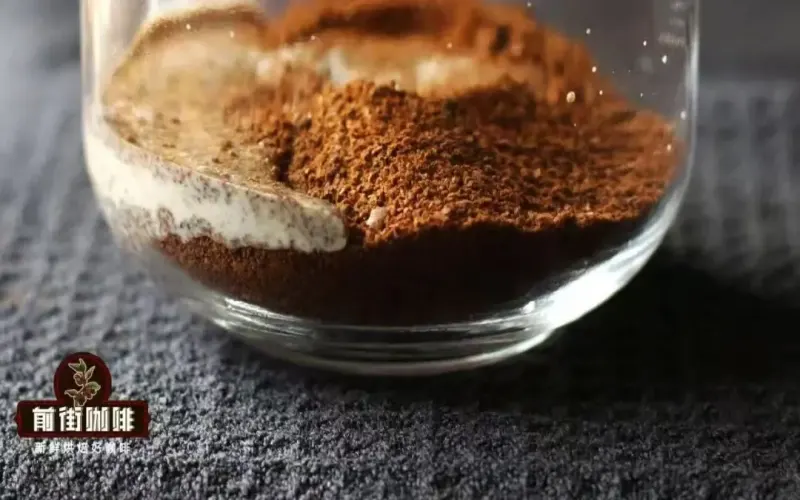
Complete Guide to Making Milk-Brewed Coffee: Food Safety, Coffee Bean Selection, and Filtration Methods Explained
Milk-brewed coffee, which uses milk instead of water to brew coffee by the cold brew method, makes it easy to produce a cup of rich, flavorful milk coffee, and has recently been highly recommended by bloggers. But many enthusiasts still have quite a few misunderstandings and questions about making it. In this article, Front Street will focus on three core points about milk-brewed coffee: first, emphasize food safety—milk easily breeds bacteria, so attention must be paid to sterilizing containers, making small batches, and drinking it promptly; second, explain the choice of coffee beans—because milk extraction efficiency is low, it is recommended to give priority to beans with strong flavors or dark roasts, such as Front Street PWN Golden Mandheling, Front Street Strawberry Candy · Geisha Blend, etc.; finally, analyze the filtration problem—filter paper is too slow, so tools such as tea bags can be used instead, but cleanliness will decline somewhat. The full text aims to help everyone avoid pitfalls and make a delicious cup of milk-brewed coffee. [more…]
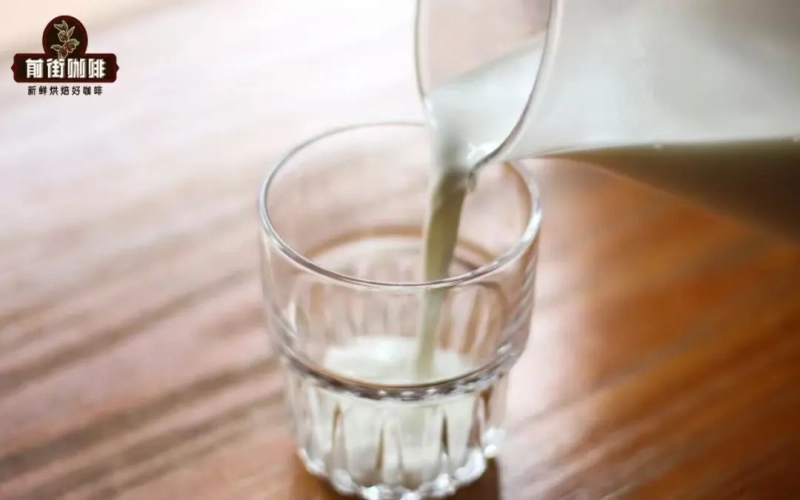
Must Dirty Coffee Use Purified Milk? A Full Analysis of Its Differences from Latte, Flat White, and Cappuccino
Dirty coffee has swept through specialty coffee shops in recent years, and many people assume it must be made with purified milk (such as IceBock). Is that really true? From the perspective of Front Street, this article explores the origins of purified milk and Dirty, explains that fresh milk and plant-based milk can work just as well, and compares the fundamental differences between Dirty and latte, flat white, and cappuccino in terms of preparation method and drinking experience. At the same time, the article also introduces in detail the characteristics of purified milk and why it can amplify Dirty's layered effect and the contrast between hot and cold. Whether you are a coffee enthusiast or a professional, you can use it to clarify the true nature of Dirty and find the cup that suits you. [more…]

What Is the Difference in Bitterness Between Americano and Latte? A Complete Analysis from Espresso Base to Front Street Coffee Blend Beans
American coffee and latte coffee, which cup is actually more bitter? This question seems simple, but behind it lies the extraction principles of espresso, the dilution effects of milk and water, and the profound influence of coffee bean blending methods on flavor. Front Street Coffee will start with the definition and parameters of Espresso, analyze the flavor differences between American coffee and latte layer by layer, and provide a detailed introduction to the characteristics and suitable applications of various espresso blend beans, helping you make a choice that better suits your personal taste when ordering at a café, and also replicate a satisfying cup of espresso at home. [more…]

What is Latte Coffee? How to Operate a Home Espresso Machine? Which Coffee Beans Should Be Chosen for Italian Latte
What is the essence of a latte? How can you make a delicious espresso latte at home on a household coffee machine? This article breaks down, one by one, the key factors that influence latte flavor—from coffee bean selection, resting time, and milk choice to espresso extraction parameters and the coffee-to-milk ratio. It also shares how specific beans such as Front Street Coffee's classic blend, Strawberry Candy, and Huakui SOE perform in different latte recipes, along with step-by-step instructions for making hot and iced lattes, helping coffee lovers consistently recreate café-quality drinks at home. [more…]

Milk Coffee Blending Guide: The Profound Impact of Milk Selection and Espresso Bean Pairing on Latte Flavor
The combination of milk and coffee has a long history. From the accidental experiment of a Dutch governor in the seventeenth century to today's flourishing varieties such as Italian latte and cappuccino, milk coffee has long become an indispensable presence on café menus. But a delicious latte is by no means as simple as espresso plus milk—the fat content of the milk, the sterilization process, and the roast level and blending approach of the coffee beans all directly affect the final flavor direction on the palate. This article will sort out the historical thread of coffee with milk, and, taking latte as an example, deeply analyze the specific effects of different milk types and espresso beans on the mouthfeel of milk coffee. At the same time, it will share Front Street Coffee's experience in bean selection and milk use for milk coffee production, helping coffee lovers find the pairing solution best suited to their own taste. [more…]

Why Has Dirty Coffee Become Such a Popular Choice? A Comprehensive Analysis from Layering Principles to Brewing Techniques
In recent years, Dirty coffee has been appearing frequently in specialty coffee shops, and has even been adopted by many establishments as a signature product. It is neither an extension of traditional espresso nor a simple version of an iced latte with the ice removed; rather, it has won the favor of a large number of coffee enthusiasts through its unique layered structure, sharply contrasting mouthfeel, and extremely high compatibility with ingredients. This article will begin with the background of Dirty's rise in popularity, sort out how it differs from the early "dirty coffee," and explain in detail how to select coffee beans, choose milk, and make a cup of Dirty with distinct layers and an outstanding taste. At the same time, the article will combine multiple products from Front Street Coffee to offer specific bean selection suggestions and pairing ideas. [more…]

Analyzing the Calorie Difference Between Americano and Latte: Which Coffee Is More Suitable for Fat Loss
When ordering at a coffee shop, Americano and Latte are almost the two most common choices. For those who pay attention to figure management and calorie intake, a question naturally arises: Is Americano high in calories? Which is more fat-loss friendly, Latte or Americano? The answer actually lies in the recipe composition of the two. Starting from the production practices of Front Street Coffee, this article first clarifies the respective definitions and methods of Americano and Latte, then compares the calorie gap brought by whole milk, and finally breaks down in detail the specific operations of espresso extraction, hot water ratio, and milk frothing, helping coffee lovers make choices that suit them based on understanding the principles. [more…]